
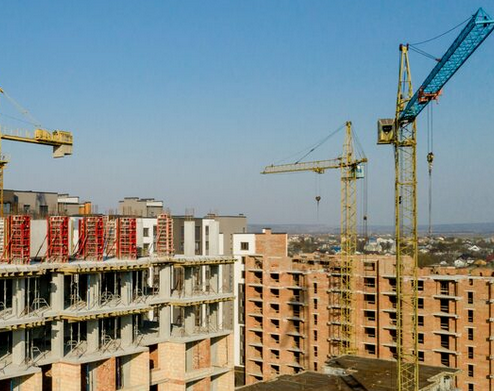
General contracting is a field that encompasses the implementation and construction of various types of construction projects, whether residential, commercial, industrial, or infrastructure projects. General contracting is an essential part of the construction industry, as contractors help transform ideas and engineering drawings into reality.
General contracting is a contractual process between a project owner and a contractor, whereby the contractor undertakes to execute construction work according to specified specifications and on time. The work covered by a general contractor varies and includes building construction, roads, bridges, electrical and water systems, renovations, as well as managing and organizing work on the project site.
Civil contracting:
It includes the construction of concrete structures such as residential, commercial, and villa buildings, as well as the construction of roads, bridges, and infrastructure projects.
Electrical Contracting:
Focusing on installing electrical networks, lighting, air conditioning systems, and other electrical work required by projects.
Mechanical contracting:
They include the installation of mechanical systems such as ventilation and air conditioning systems (HVAC), plumbing, and pipe fitting.
Private contracting:
These contracts include projects that require special expertise, such as building health, educational, or entertainment facilities.
The general contractor is responsible for organizing and managing all aspects of a project from design to completion. This includes:
Planning and Supervision: Project management and organizing work between subcontractors and workers.
Coordination with engineers and designers: Ensure that all technical specifications are implemented according to plans.
Budget and Time Management: Monitoring project costs and ensuring that the specified budget is not exceeded, as well as ensuring that work is completed on time.
Material handling: Purchase and supply of materials for construction and ensure their quality.
Workforce management: Recruitment and management of workers specializing in various fields.
When choosing a general contractor, there should be a careful assessment of many factors:
Experience and Competence: A contractor with a proven track record of successful projects is best able to provide high-quality services.
Licensing and Insurance: The contractor must be licensed by government agencies and have comprehensive insurance for the work.
Reputation: It is important to check the contractor's reputation in the market, whether by reviewing his previous projects or customer reviews.
Cost: The contractor's cost should be fair compared to the market, without compromising on quality.
Financial problems: Contractors may face difficulty obtaining adequate financing, leading to project delays or failure.
Work Delays: Weather conditions or material shortages may delay project implementation.
Changes in the design of the project: The client may require constant adjustments to the designs during implementation, which leads to increased costs and time.
Legal Risks: Contractors may face legal issues related to real estate agreements or workers' rights, leading to workflow problems.
General contracting plays a vital role in the economic growth of any country, contributing to:
Providing job opportunities: The contracting sector is one of the largest sectors that provides jobs for many individuals, from workers and technicians to engineers and supervisors.
Stimulating economic growth: By building projects and infrastructure, public contracting contributes to stimulating the local market and raising the level of development.
Achieving Sustainability: General contracting contributes to building sustainable projects that support the local economy and meet the needs of future generations.
General contracting represents an essential part of the construction sector, contributing to urban development and improving quality of life. Through sound planning, good implementation, and adherence to standards and specifications, general contracting can contribute to building a better future for cities and communities.

